I’m Steve Moore, a Product Designer and design leader who thrives in player-coach roles, combining hands-on product design with mentoring, strategy, and cross-functional leadership. With 20+ years of experience creating intuitive, high-impact digital products across SaaS, healthcare, e-commerce, enterprise, and AI-driven platforms, I specialize in transforming complex ideas into modern, production-ready experiences through product strategy, human-centered design, interaction design, AI-powered development, vibe coding, rapid prototyping, and modern engineering workflows. While I enjoy leading teams and influencing product direction, my passion remains deeply rooted in designing exceptional products and staying close to the craft..
My work focuses on delivering measurable business outcomes, aligning cross-functional teams, accelerating product development, and improving product quality at scale.
Available for Building What’s Next.
Designing modern digital products through product strategy, AI-native workflows, rapid prototyping, and hands-on product execution.
Available for Freelance • Contract • Full-Time Opportunities
📧 steve@stevewmoore.com | 📱 (503) 334-7527

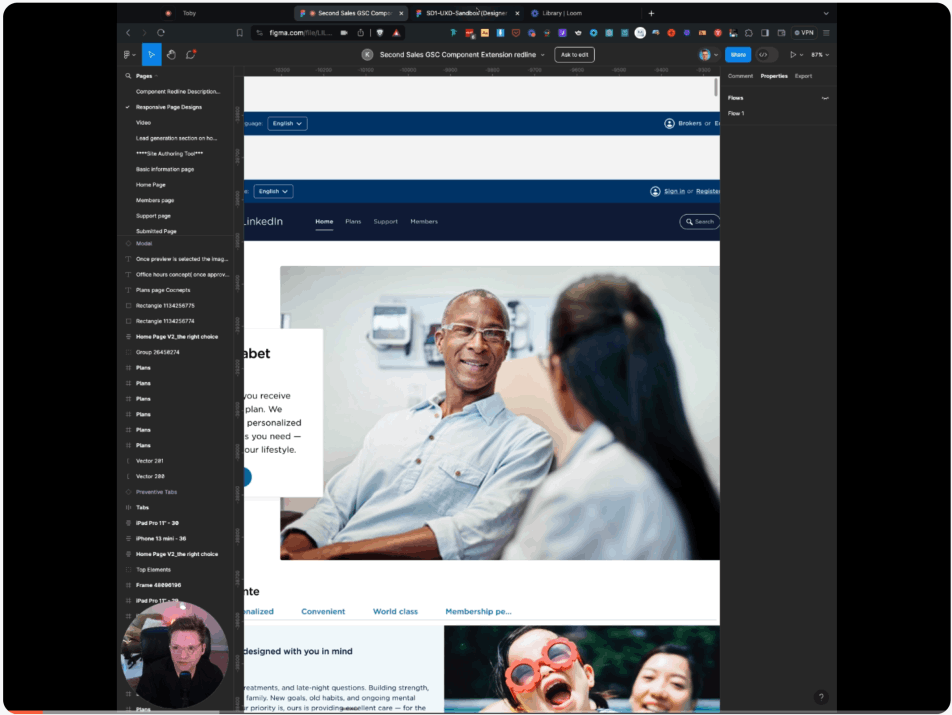
AI can accelerate design-system modernization, but it cannot replace human judgment. Drawing on a practical Figma-based workflow, this article explores how teams can combine AI-assisted inventory, documentation, and execution with deliberate governance, accessibility, verification, and design leadership.
Read full article on Linkedin
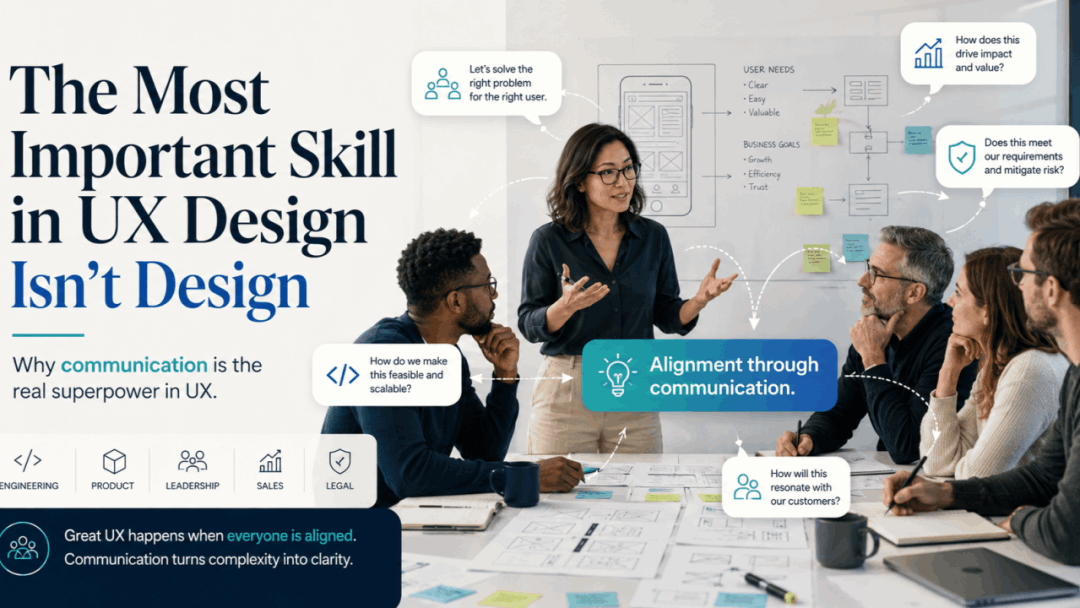
UX design's most important skill isn't visual craft—it's communication. Tools have made aesthetics easy; the real job is aligning stakeholders with competing incentives. This means understanding motivations, reading personalities, listening for the real objection behind pushback, documenting decisions, and bringing data over opinions. Your work's quality is capped by your relationships: trust gets you into problems early, when design can still shape outcomes. Pretty is easy; effective is hard.
Read full article on Linkedin
And Why Designers Who Embrace It Will Lead the Next Decade
The UX profession is evolving faster than most people realize. Over the past few years, as I have integrated AI into my own design practice, I have seen firsthand how these tools are transforming the role of the modern designer. We are entering a new era, one where creativity, strategy, and intelligence converge to create product experiences that were almost impossible to build at this speed even a short time ago...
Read full article on Linkedin
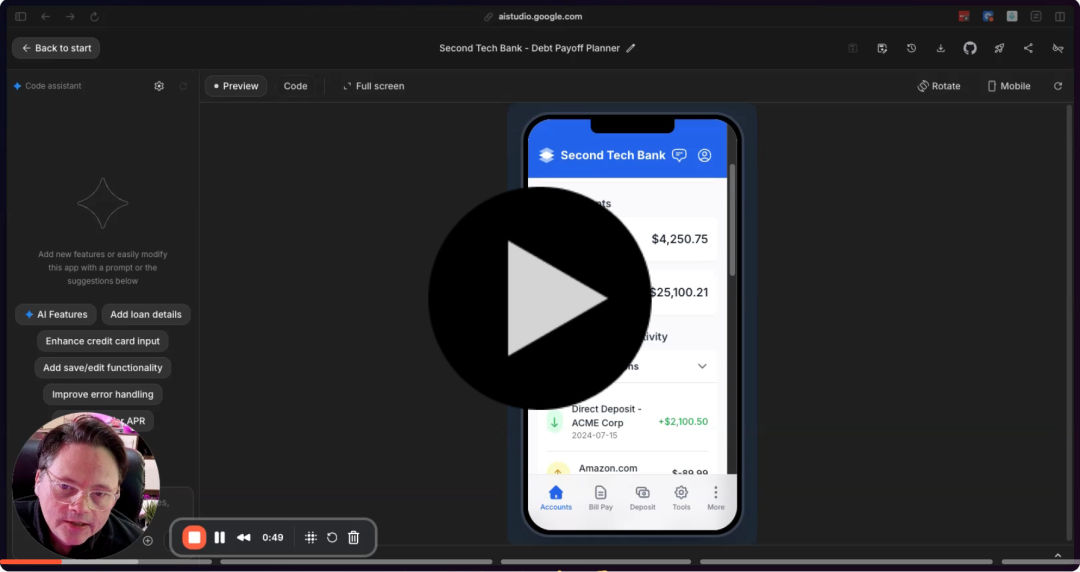
In this video, I walk you through the Avalanche payoff system, a debt payoff feature I designed for a prototype banking app using vibe coding. I explain how vibe coding bridges the gap between concept and execution, allowing designers to create functional prototypes quickly—often within minutes—without needing perfect code. I demonstrate the app's features, including the debt avalanche system and debt consolidation options, and emphasize the importance of integrating these tools into our workflows. My main takeaway is that learning vibe coding will enhance our efficiency and collaboration in product design. I encourage all UX designers to explore these tools and incorporate them into their processes....
Watch video
I led the modernization of a fragmented Figma design system into a structured, token-based, presentation-ready library. The work combined design-system strategy, component governance, controlled AI-assisted execution, and verification.
The Outcome
The result is an interview-ready design-system case study with eleven organized system pages, reusable documentation, and one hundred twenty live specimen instances. The work clarified six hundred sixty existing token bindings, preserved component integrity, and created a repeatable model for evolving a design system responsibly.
Project length
As a Senior UX Designer at Intel Corporation, I led a continuous improvement initiative to provide design leadership across the company. This project aimed to establish a process for ongoing measurement of the effectiveness of Intel’s external web properties and internal tools.
The Outcome
Established Intel's first unified UX measurement program, enabling consistent usability improvements across digital touch-points and providing leadership with clear visibility into experience quality and design impact.
Project length
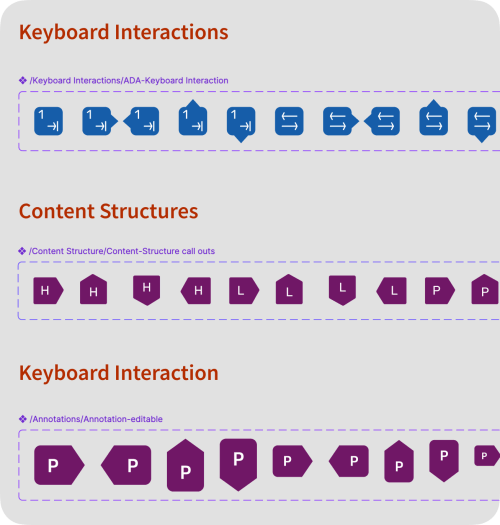
As the Principal UX/UI Designer at Kaiser Permanente, I led the creation of an ADA documentation design library to address significant ADA defects caused by ineffective communication between UX designers and developers.
The Outcome
Dramatically reduced ADA compliance defects by 30 percent across the healthcare platform, improving the experience for millions of members while reducing costly remediation cycles. The library became the organizational standard for accessibility documentation.
Project length
As the Principal Product Designer at Kaiser Permanente, I led the design strategy for the authenticated global navigation system, creating a scalable experience that helped members access high-value healthcare tasks across a complex, regionalized digital ecosystem.
The Outcome
Launched a more scalable, consistent, and task-oriented navigation system that improved access to core healthcare actions across KP.org. The new experience increased global navigation engagement by 65 percent, improved task completion by 4 basis points, and created a flexible foundation for future authenticated capabilities across web and mobile experiences.
Project length
As Senior Interaction Designer at Harry & David, I led the UX design for the company’s subscription program, helping define a scalable customer experience for recurring gifting within a high-volume, seasonal e-commerce environment.
The Outcome
Launched the initial subscription experience with a clear, conversion-focused path that helped customers understand, purchase, and manage recurring gifting options. The first release generated approximately $330,000 in revenue within the first three months and established a strong foundation for continued subscription growth.
Project length
AI-Powered Resume Optimization
An intelligent resume and job application tool that preserves your carefully crafted layouts while delivering ATS-optimized, role-specific content. Generate tailored resumes in seconds without sacrificing your personal brand, research companies with confidence, and rely on a personal AI advisor for deeper insights, better answers, and support throughout the process. Track your activity, revisit opportunities, and manage every application from one command center.
Role: Designer | Builder
Beta scheduled to release 12/10/2026
Professional UX Operations Platform
A comprehensive UX platform designed to centralize your entire practice, including research, within one unified workspace. It supports a wide range of studies, from automated comparative analysis to text-based literature reviews and other essential research activities designers rely on. Powered by AI, it helps streamline workflows, improve efficiency, and enhance overall design performance.
Role: Designer | Builder
Currently in development
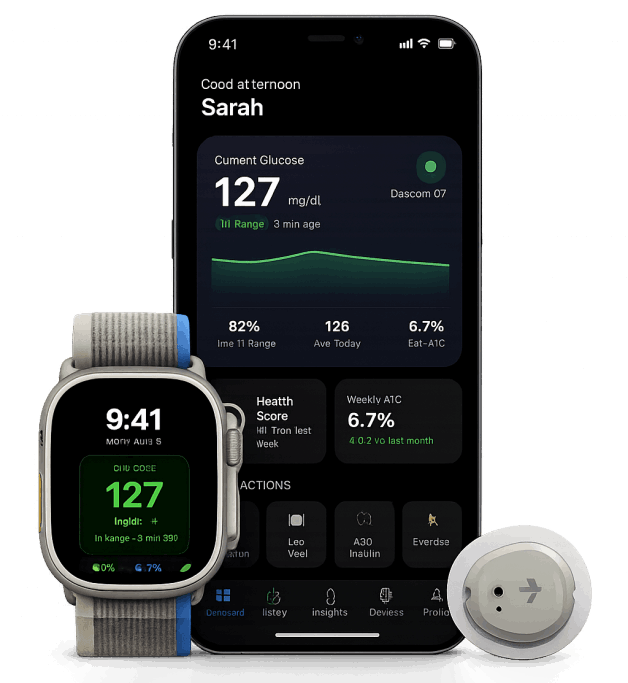
As the UX Design Lead for a connected health proof-of-concept, I conceived, designed, and built fully interactive iOS and Apple Watch prototypes demonstrating a next-generation glucose monitoring experience. Leveraging expertise in interaction design, Human-Computer Interaction (HCI), native iOS design patterns, Apple Human Interface Guidelines, visual design, and advanced AI-assisted development, I created a high-fidelity experience that showcased seamless device connectivity, health data visualization, and intuitive user workflows. The project served as a design and feasibility study, demonstrating how modern AI-enabled workflows can rapidly transform product concepts into polished, functional prototypes.
Disclaimer: This is an independent proof-of-concept created as a personal design exploration. It was not commissioned, requested, reviewed, or endorsed by Dexcom. No proprietary information, confidential materials, or NDA-protected content were used in the creation of this project.
Role: UX Design Lead | Product Design | Interaction Design | AI-Assisted Prototyping
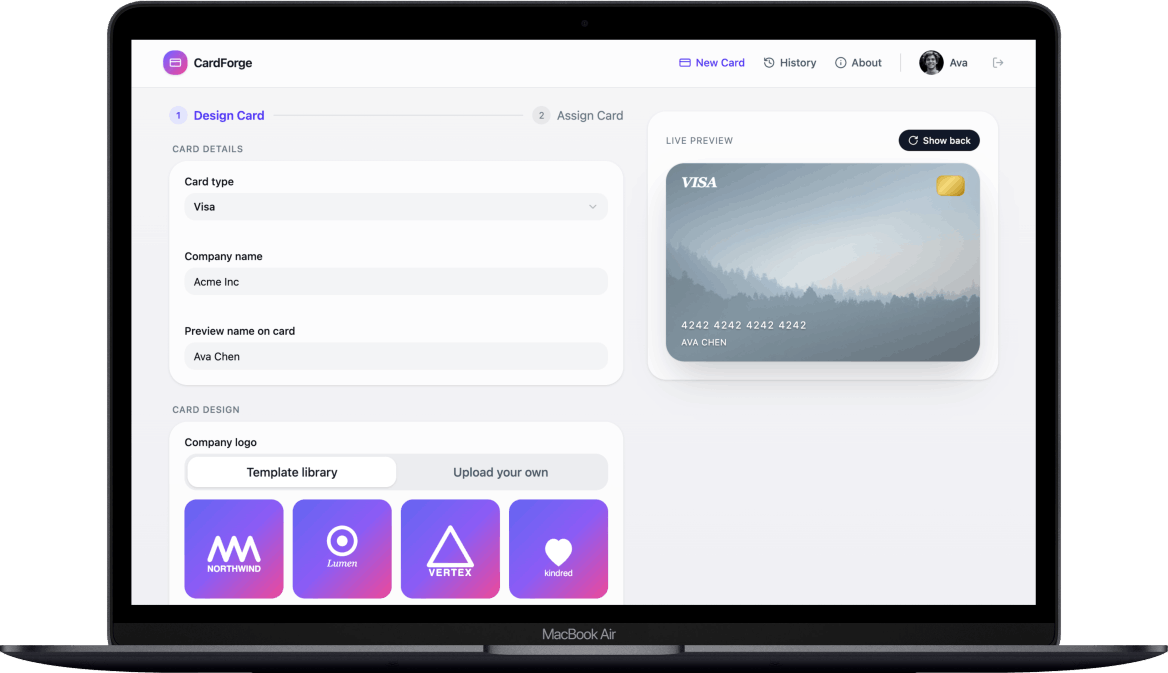
Card Forge enables businesses to create, customize, assign, and distribute branded credit cards to their teams. I designed the product structure, interface, and end-to-end user flows, creating a polished concept that demonstrates how Card Forge can simplify business card management and distribution.
Role: UX Design Lead | Product Design | Prototype Design
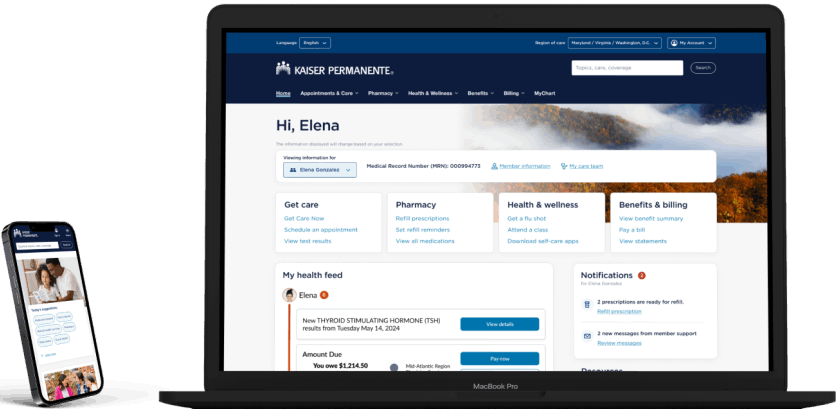
I led the redesign of Kaiser Permanente’s global header, streamlining navigation and improving ADA compliance.
Engagement with navigation experience has seen a 65% lift compared to the legacy experience.
Role: UX Design Lead | Prototype Design
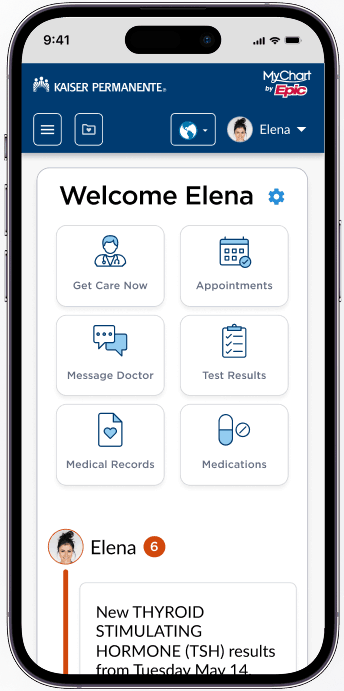
As the Senior UX Designer on the Kaiser Permanente and MyChart integration project, I conducted UX reviews, designed the MyChart inner door look and feel, led leadership demos, performed UX research and recommendations, conducted competitive analysis, and provided ADA reviews and recommendations for accessibility.
Role: UX Design Lead | Prototype Design
At Kaiser Permanente, I lead UX process design, creating user-centered solutions with Figma templates. I also provide comprehensive UX training, empowering teams with advanced Figma techniques for enhanced design efficiency and accessibility.
Role: UX Design Mentor | Trainer